








 Português
  Español
  简体中文
简体中文 

 Unverified company


 Email
Email
 Facebook
 Whatsapp
 Twitter
 Linkedin
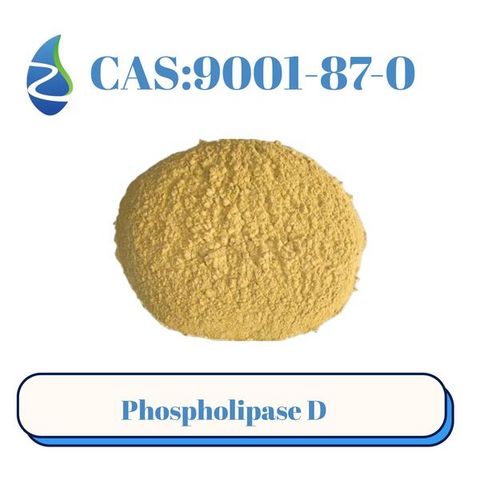
Description
I. Biopharmaceutical and Medical Drug Development Tools: Used to study cell signaling (such as the phosphatidylinositol signaling pathway), aiding in the study of the pathogenesis of diseases such as tumors and inflammation. Nucleic Acid Delivery Vector Preparation: Through PLD-catalyzed transphosphatidyl reactions, liposome surfaces are modified to improve the delivery efficiency and targeting of nucleic acid drugs (such as mRNA vaccines and siRNA). Diagnostic Reagent Raw Materials: Used as tool enzymes for the in vitro diagnosis of diseases related to abnormal phospholipid metabolism, assisting in the detection of liver function and cardiovascular disease biomarkers. II. Food Industry Food Additive Preparation: Produces phosphatidylserine, catalyzes phospholipid modification, and produces lysophospholipids, functional phospholipids, and other food emulsifiers, improving the texture, stability, and shelf life of food. Oil Refining: Used to remove phospholipid impurities from oils (degumming), improving the purity and quality of edible oils and reducing the formation of harmful substances during subsequent processing. Dairy Product Improvement: Added to dairy products to regulate milk fat structure, enhancing the emulsification stability and nutritional value of the product. III. Cosmetics: Skin Care Raw Materials: Catalyzes the synthesis of ceramide precursors from phospholipids, helping to repair the skin barrier and improve dry and sensitive skin conditions; added to moisturizers and repair serums. Hair Care Ingredients: Modifies the lipid layer on the hair surface, enhancing hair smoothness and resistance to damage; used in shampoo and conditioner formulations. IV. Biochemical Industry: Biodiesel Preparation: Catalyzes the transesterification reaction of vegetable oils or animal fats to efficiently synthesize biodiesel, reducing the harshness of reaction conditions (e.g., low temperature and low pressure are sufficient for the reaction). Functional Phospholipid Synthesis: Through transphosphatidyl reactions, directionally synthesizes high-value-added special phospholipids (such as phosphatidylserine and phosphatidylethanolamine) for use in health products and pharmaceutical excipients. Biosensor Construction: Immobilized PLDs are used as bio-identification elements to prepare biosensors for detecting phospholipids and choline-like substances, applied in environmental monitoring and food detection.
- Phospholipase D
- PLD
- CAS 9001-87-0
Production Capacity:
1
Delivery Timeframe:
Immediate
Incoterms:
CFR - Cost and Freight
CIF - Cost, Insurance and Freight
EXW - Ex Works
FCA - Free Carrier
FOB - Free on Board
Packaging Details:
25KG/drum
More about
Juvotron

10-50
Employees

100K - 200K
Sales volume (USD)

90%
% Export sales
Year
Established
Business type
- Industry / Manufacturer
- Distributor / Wholesaler
Keywords
- N-Acetylneuraminic acid
- Phosphatidylserine
- Histamine Dihydrochloride
Contact and location
-
 Jori ********
-
+86 1********
-
浦东新区 / 上海市 | China
 Jori ********
 +86 1********
 浦东新区 / 上海市 | China


